


FDA Food Dye Ban 2027: A Reformulation Guide for Food Manufacturers?
The U.S. food color landscape is changing. The FDA has revoked the authorization for FD&C Red No. 3 and is working with the food industry to phase out 6 other petroleum-based synthetic dyes. For food manufacturers selling in the United States, this is not only a future regulatory issue. Major…

What Does Squid Ink Taste Like? A Chef’s Guide to Flavor, Uses, and Natural Black Coloring
In this guide, we’ll look at squid ink's actual taste profile, why it develops its savory character, how it behaves in different foods, and why chefs choose it over other natural black coloring options. What Does Squid Ink Taste Like? If you have never tried squid ink before, its jet-black…
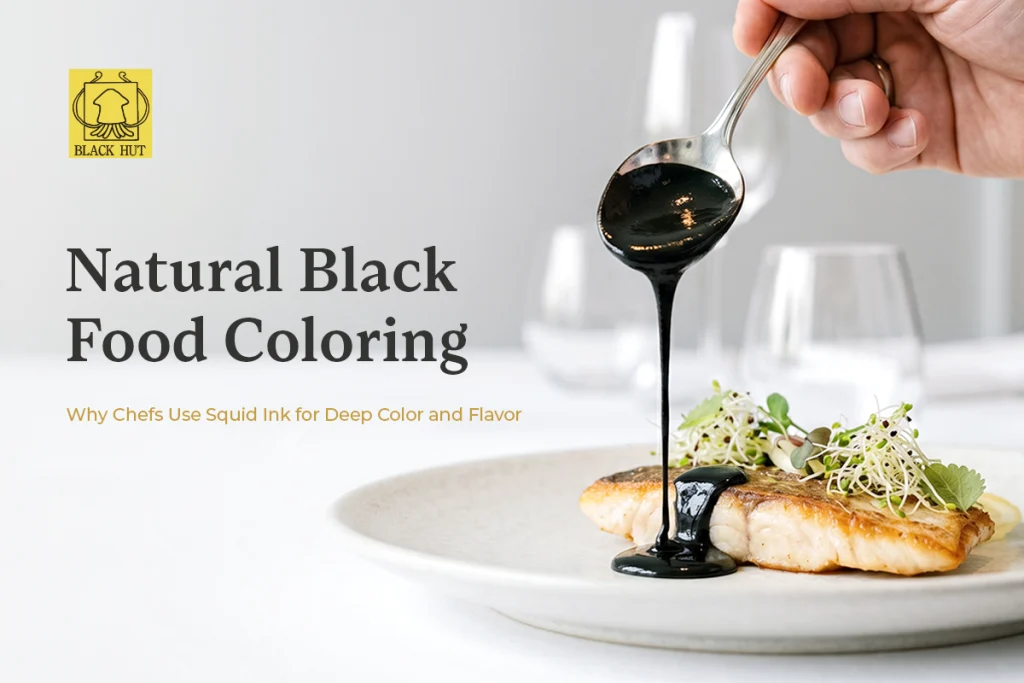
Natural Black Food Coloring: Why Chefs Use Squid Ink for Deep Color and Flavor
In this guide, we'll explore why achieving natural black color can be challenging, compare popular black coloring ingredients, explain the differences between squid ink liquid and squid ink powder, and show how both can be used in everyday and seasonal food applications—including Halloween desserts and party foods. Why Natural Black…
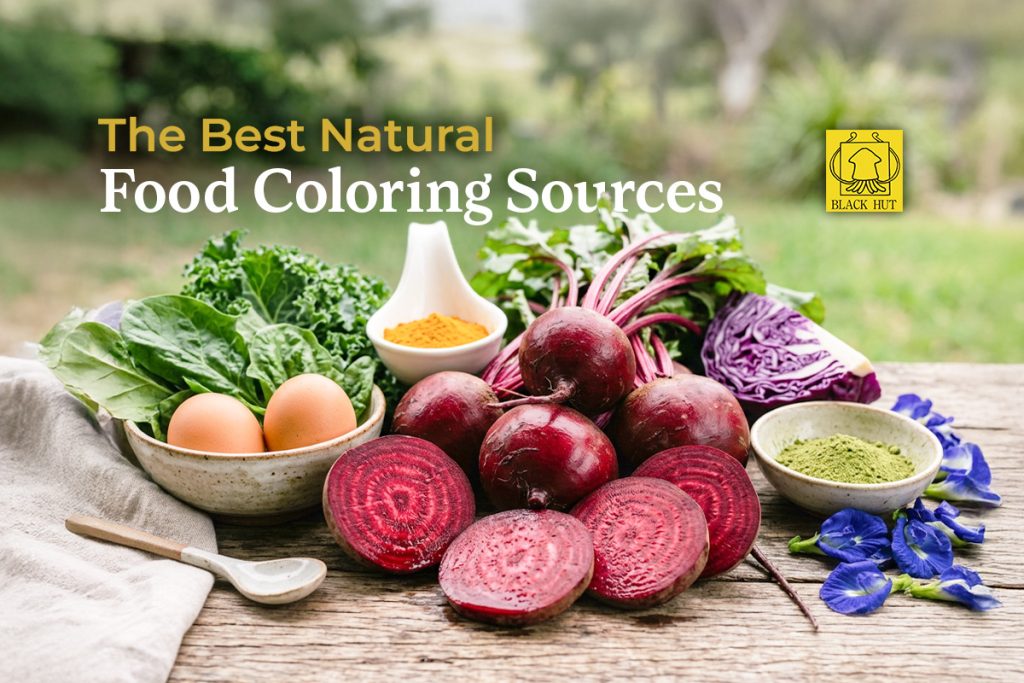
Natural Food Coloring: What It Is, Why It Matters, and the Best Natural Color Sources
Walk down any grocery aisle today and you'll notice something has quietly changed. Labels that once listed "Red 40" or "Yellow 5" are now beetroot, turmeric, or spirulina. Bakeries advertise "no artificial colors." Even candy brands are reformulating.Natural food coloring isn't a trend anymore — it's becoming the default. And that…
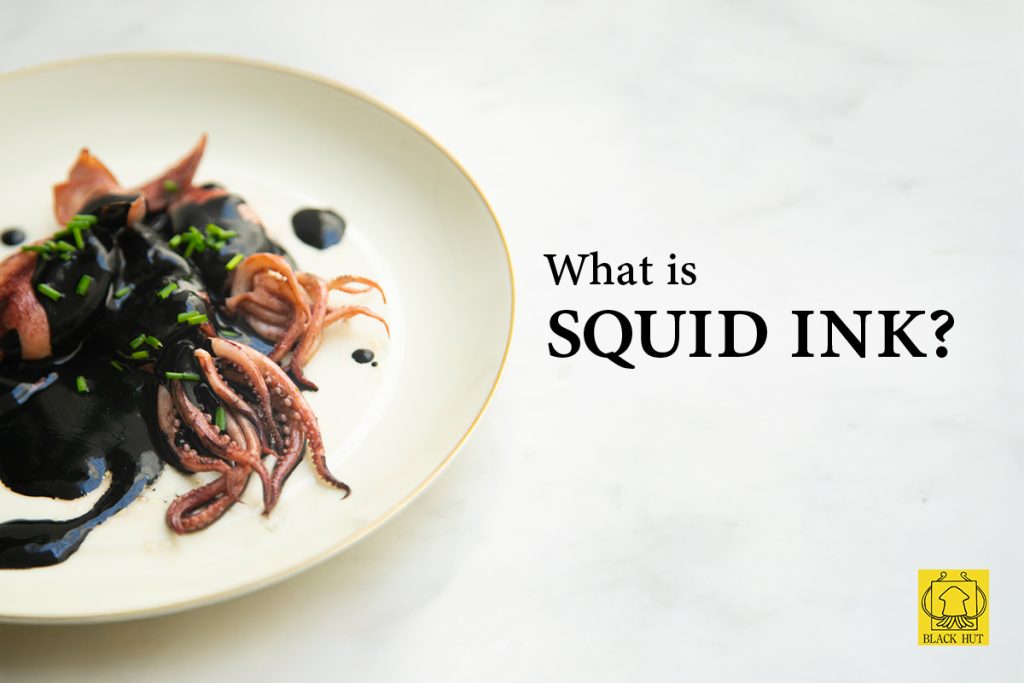
What Is Squid Ink? Is Squid Ink Edible?
What is Squid Ink? Squid ink is a natural dark pigment stored in an ink sac found in squid and other cephalopods like cuttlefish and octopus. When threatened, squid release this ink to create a dark cloud, allowing them to escape predators. Squid ink might look unusual — but is…