
The U.S. food color landscape is changing. The FDA has revoked the authorization for FD&C Red No. 3 and is working with the food industry to phase out 6 other petroleum-based synthetic dyes.
For food manufacturers selling in the United States, this is not only a future regulatory issue. Major brands and retailers are already changing their ingredient requirements, which may affect product formulas, labels, sourcing, and market access.
Table of Contents
ToggleWhich Food Dyes Are Banned or Being Phased Out?
Not all affected dyes have the same legal status.
FD&C Red No. 3 has a formal compliance deadline. Food manufacturers must stop using it in foods, including dietary supplements, by January 15, 2027.
The FDA is also working with manufacturers, retailers, and industry groups to remove 6 commonly used certified colors from the U.S. food supply by the end of 2027:
- FD&C Red No. 40: Commonly used in candy, soft drinks, and snacks.
- FD&C Yellow No. 5: Often found in beverages, desserts, and processed foods.
- FD&C Yellow No. 6: Commonly used in orange-colored drinks and cheese-flavored snacks.
- FD&C Blue No. 1: Used in candy, frozen desserts, and baked goods.
- FD&C Blue No. 2: Found in some candy, coatings, and other processed products.
- FD&C Green No. 3: A less commonly used green dye found in selected foods and beverages.
Unlike Red No. 3, these 6 colors are currently part of a broader FDA-led industry phase-out rather than one single formal ban. Manufacturers should also monitor individual state requirements, which may be stricter or take effect earlier.
When Do Food Manufacturers Need to Comply?
| Timeline | Development |
|---|---|
| January 15, 2027 | Food manufacturers must stop using FD&C Red No. 3 in foods. |
| By the end of 2027 | The FDA is working with industry to eliminate Red 40, Yellow 5, Yellow 6, Blue 1, Blue 2, and Green 3 from the U.S. food supply. |
| Individual company deadlines | Brands, retailers, and state governments may introduce earlier or additional requirements. |
| Company | Announced response |
|---|---|
| Nestlé USA | Announced in June 2026 that it had successfully removed all FD&C synthetic colors from its entire U.S. food and beverage portfolio. |
| General Mills | General Mills has begun reformulating its U.S. cereals and K–12 school foods and plans to remove certified colors from its full U.S. retail portfolio by the end of 2027. |
| Kraft Heinz | Kraft Heinz plans to remove certified colors from products such as Kool-Aid, Jell-O, MiO, Crystal Light, and Jet-Puffed by the end of 2027. |
| PepsiCo | PepsiCo is transitioning selected core Gatorade beverages away from artificial colors in 2026, using colors derived from fruit and vegetable sources. It has also introduced Doritos Simply NKD and Cheetos Simply NKD products made without dyes or artificial flavors. |
| Walmart | Walmart plans to remove certified colors and other selected ingredients from its U.S. private-label foods by January 2027. |
Why Reformulation Requires More Than Replacing a Dye
Replacing a synthetic color is rarely a one-to-one ingredient change. Naturally derived colors may behave differently depending on the product and production process.
Manufacturers may need to evaluate:
- Color strength and consistency
- Heat, light, and pH stability
- Flavor and texture changes
- Required usage levels
- Shelf-life performance
- Ingredient and allergen labeling
- Supplier documentation and production capacity
- Retailers and brand customers may also set earlier deadlines than the FDA.
Starting early gives manufacturers more time to test alternatives, adjust formulas, and confirm reliable supply before making a full production change.
Choosing Natural Color Alternatives for Different Products
There is no universal natural replacement for every synthetic dye. The right option depends on the desired color, product format, processing conditions, flavor profile, and labeling requirements.
For example:
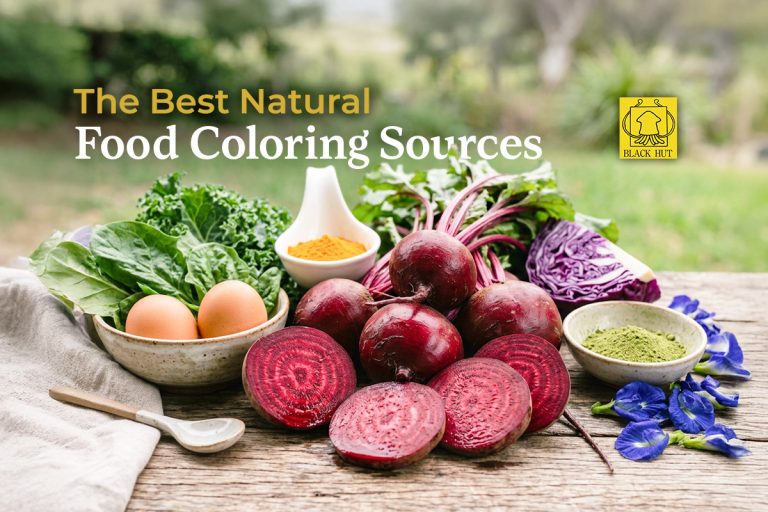
- Beetroot and anthocyanins can provide red shades, but their performance may change with heat, pH, and other ingredients.
- Turmeric and annatto can produce yellow and orange shades, although turmeric may affect flavor at higher usage levels.
- Spirulina-derived colors can be used in some blue and green products but may be sensitive to heat and processing conditions.
- Natural deep-black options are more limited and often require careful consideration of color, flavor, texture, and application.
For savory products such as pasta, sauces, bread, seasonings, and specialty snacks, squid ink can provide a deep black appearance while adding natural umami character. Squid ink is not a universal replacement for synthetic dyes, but it can be a practical option when both black color and savory flavor fit the product concept.
Learn More About Food Coloring:
What Food Manufacturers Can Do Now?
To prepare for the changing U.S. food color landscape:
- Review the certified colors currently used in each product.
- Confirm applicable FDA, state, retailer, and customer deadlines.
- Select alternatives based on color, pH, processing, flavor, and shelf-life requirements.
- Conduct small-batch, stability, and storage testing.
- Review ingredient lists, allergen statements, and packaging.
- Confirm supplier documentation and commercial production capacity.
Reformulation takes time. Manufacturers that begin reviewing their products now will be better prepared for changing regulations and customer requirements.
BlackHut provides liquid and powdered squid ink solutions for food manufacturers developing naturally black savory products. Contact our team to discuss your application or request a sample.
This article provides general industry information and does not constitute legal or regulatory advice. Requirements may change, so manufacturers should review current FDA and applicable state regulations.
Sources: FDA Red No. 3 compliance information and FDA Industry Tracker for Petroleum-Based Food Dyes.